


Mr. Tsheten Dorji, Principal Soil Survey & Land Evaluation Officer, serving as the Principal Investigator (PI), and Ms. Dema Choki, Agriculture Supervisor II, as Co-PI, represented Bhutan at the AFACI SOIL+ Project Evaluation Workshop held from 22nd to 24th July 2025 in Bali, Indonesia.
The workshop, organized under the Asian Food and Agriculture Cooperation Initiative (AFACI), brought together representatives from member countries to assess the progress of the SOIL+ project titled: “National Soil Information Systems to Support the Transformation of Agrifood Systems in AFACI Countries.”
This project, financially supported by AFACI, was launched in October 2023 and is scheduled to end in September 2026. It aims to strengthen national soil information systems to support evidence-based decision-making in agricultural transformation.
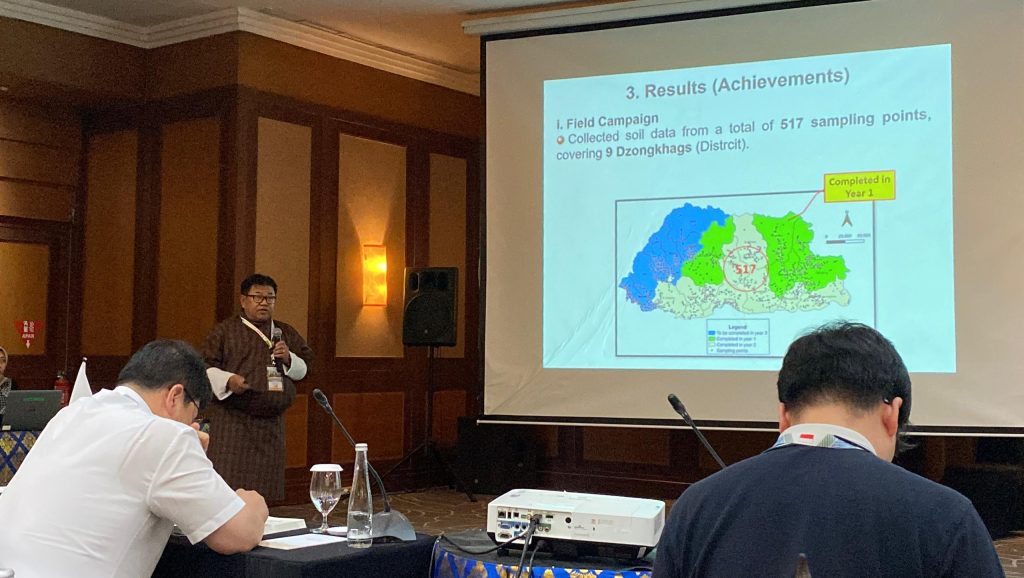
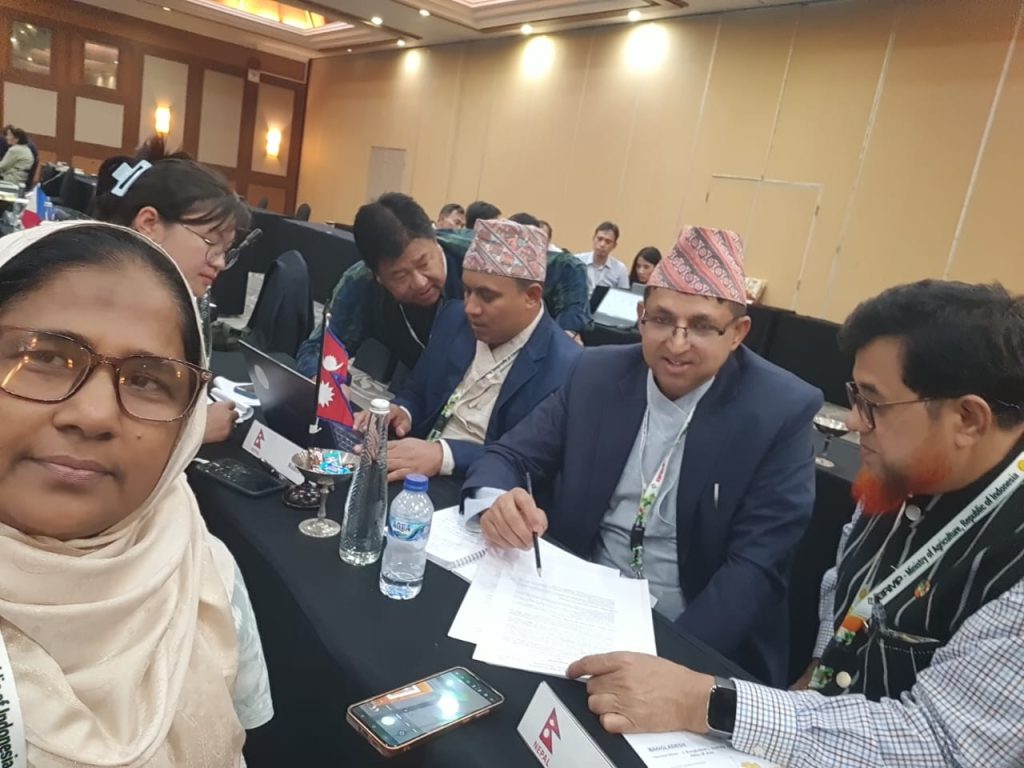
During the workshop, each country presented their key achievements over the past year. This was followed by group discussions focused on national success stories, lessons learned, and future needs, which were shared through presentations by group representatives.
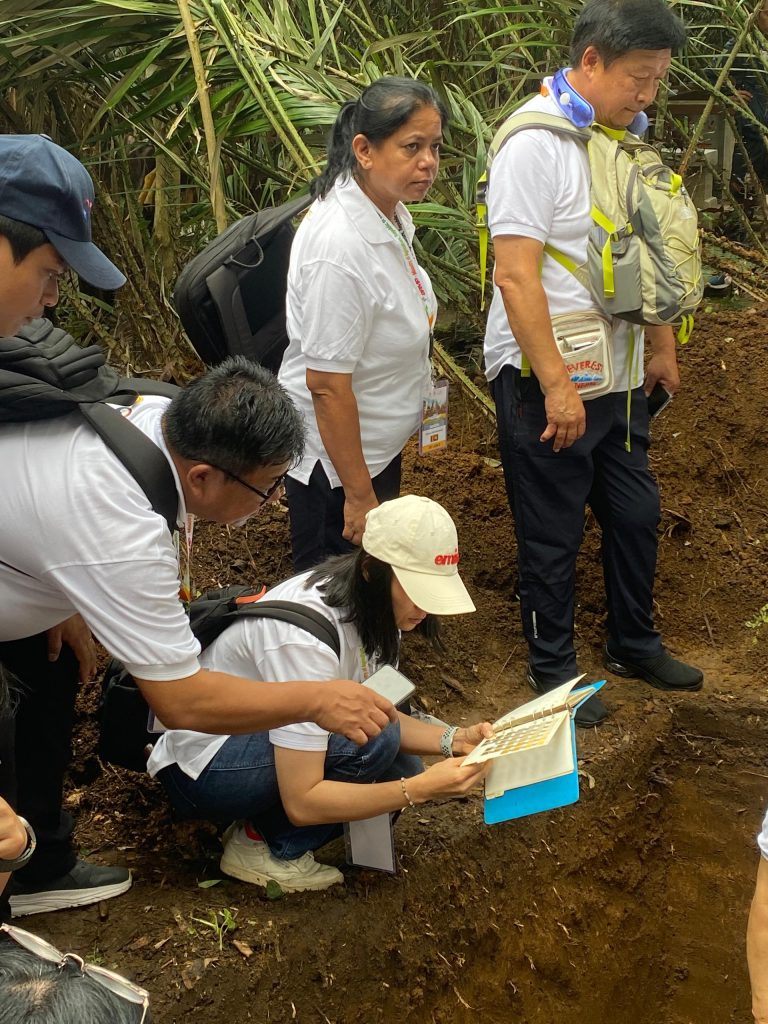
On the final day, participants visited the Salak agroforestry systems in Sibetan, known for cultivating the unique “snake fruit.” The region is home to over 15 cultivars of Salak Bali, including the sweet Salak Gula Pasir, aromatic Salak Nanas, and red-fleshed Salak Getih. Cultivation is entirely organic, using compost and manure, without chemical fertilizers – practices that enrich the soil and support ecological resilience.
As part of the field visit, participants described a prepared soil profile developed from volcanic ash deposits. The soil was classified as Inceptisols under the USDA Soil Taxonomy and as Cambisols under the World Reference Base for Soil Resources (WRB).
4,843 total views, 6 views today