


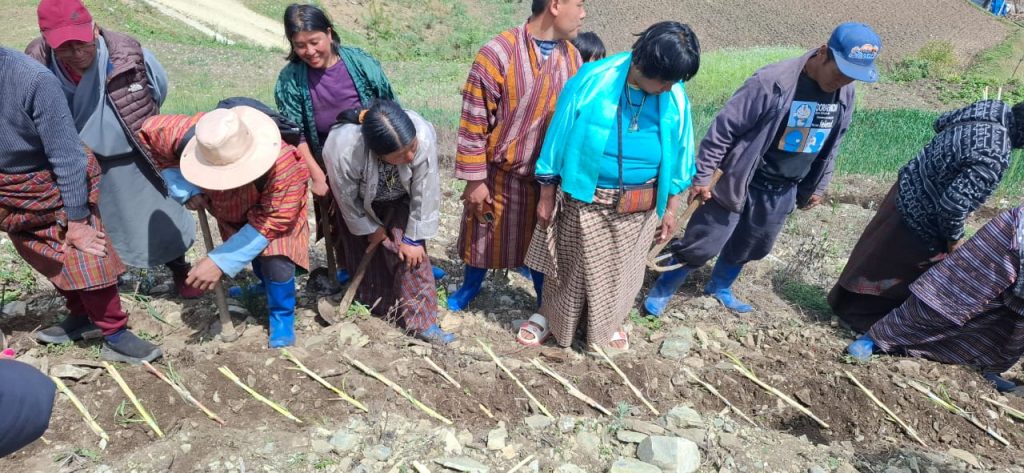
The National Soil Services Centre (NSSC), Department of Agriculture, Ministry of Agriculture and Livestock, successfully conducted a series of farmer training programs on Sustainable Land Management (SLM) and Soil Fertility Improvement across Trashigang and Mongar Dzongkhags from 25 March to 14 April 2026 under the GEF-8 project. The trainings were carried out in Lumang and Kangpara Gewogs of Trashigang Dzongkhag, covering 10 chiwogs, and in Drepong and Narang Gewogs of Mongar Dzongkhag, also covering 10 chiwogs. Each training was conducted over a duration of two days per chiwog, combining both theoretical sessions and practical field demonstrations.
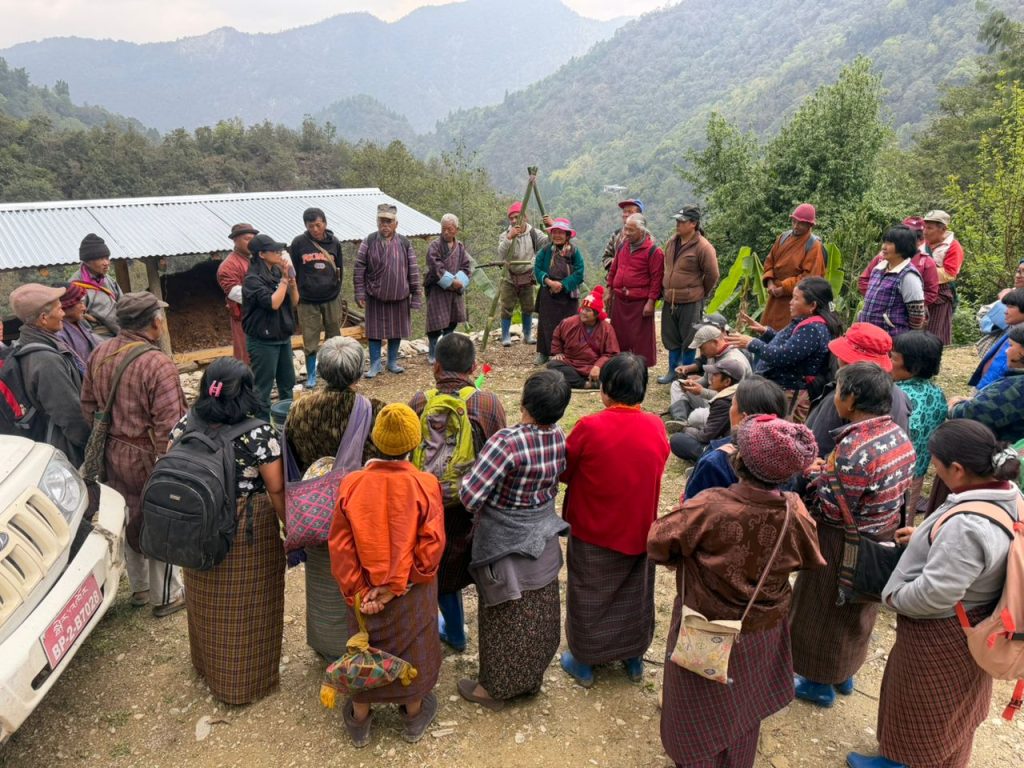
A total of 528 farmers (221 male and 307 female) from Trashigang Dzongkhag and 364 farmers (80 male and 284 female) from Mongar Dzongkhag participated in the program. The training aimed to enhance farmers’ knowledge and skills on sustainable land management practices and soil fertility improvement technologies, thereby preparing them for the effective implementation of project activities scheduled to commence from July 2026.
The training content focused on key aspects of land and soil management. Participants were introduced to the concepts of soil and land, the importance of sustainable land management, and the challenges of land degradation such as surface erosion, rill erosion, landslides, and nutrient loss. Various SLM technologies were demonstrated, including bench terracing, terrace consolidation, contour hedgerows, stone bunding, check dam construction, orchard basin making, and agroforestry practices. Practical sessions included hands-on training on A-frame construction, contour line setting, and stone bund establishment.
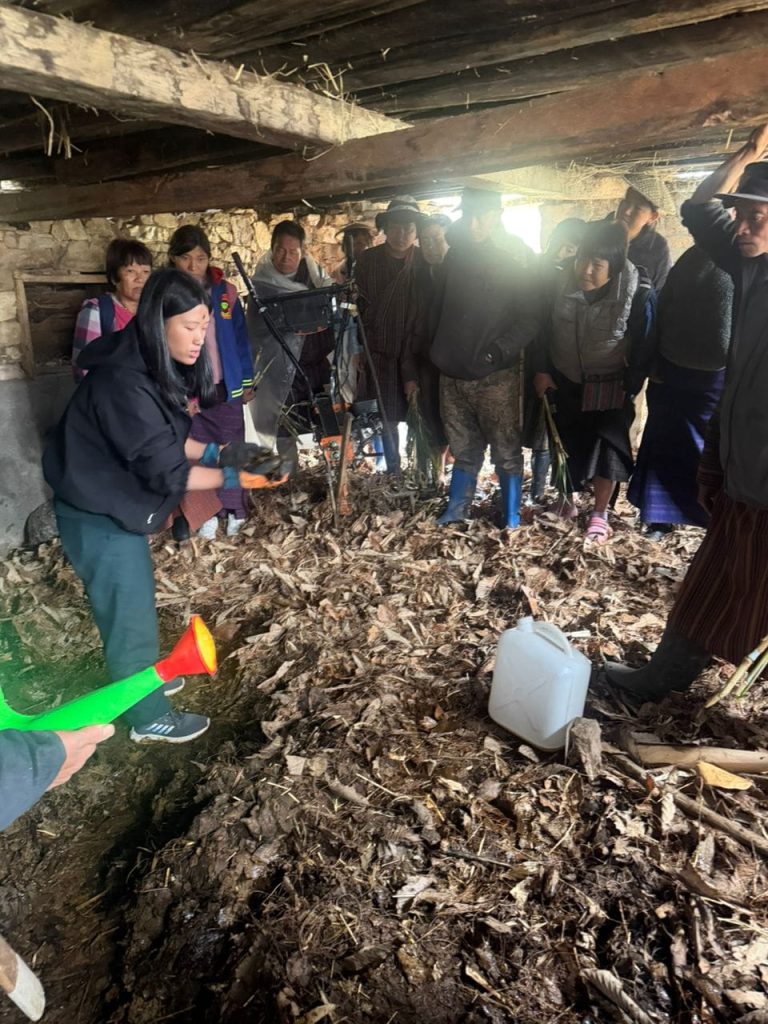
The soil fertility component of the training covered soil formation, essential plant nutrients, and the concept of soil fertility management. Farmers were educated on soil sampling techniques, fertilizer application methods, and the importance of balanced nutrient management. The training also promoted Integrated Plant Nutrient Management (IPNM), encouraging the combined use of organic and inorganic inputs. Demonstrations on EM (Effective Microorganisms) activation, composting techniques, and farmyard manure (FYM) enhancement were conducted to support sustainable soil health practices.
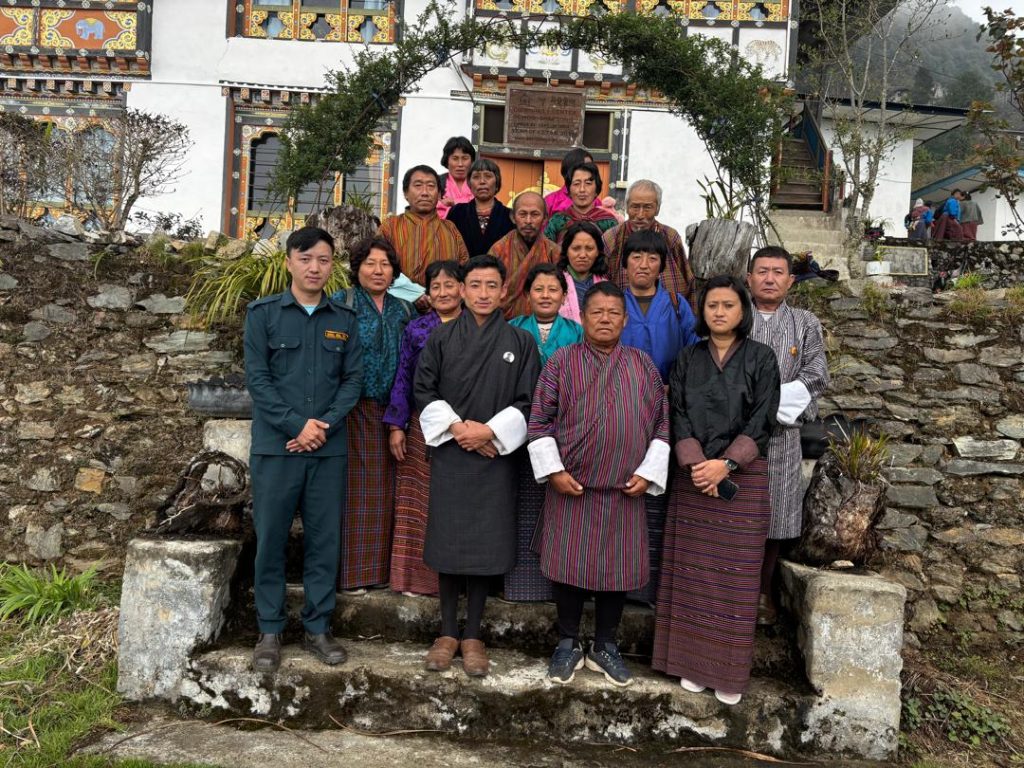
The training was delivered through a participatory approach, with farmers actively engaging in discussions and raising practical concerns related to fertilizer use, EM application, composting duration, and access to soil testing services. These concerns were addressed with practical recommendations to ensure better understanding and adoption of the technologies.
The successful completion of these training programs marks a significant step towards strengthening the capacity of farming communities in the target gewogs. The knowledge and skills gained through the training are expected to contribute to improved soil health, enhanced agricultural productivity, and sustainable land use practices. NSSC will continue to provide technical support and follow-up to ensure effective implementation and long-term impact of the GEF-8 project interventions.
1,566 total views, 5 views today