



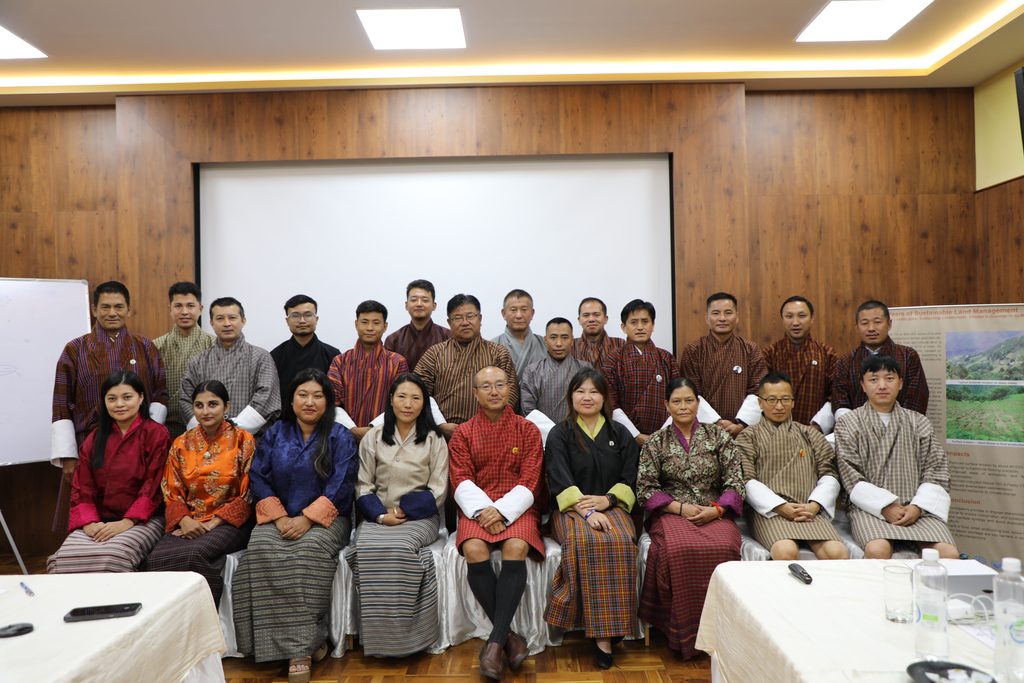
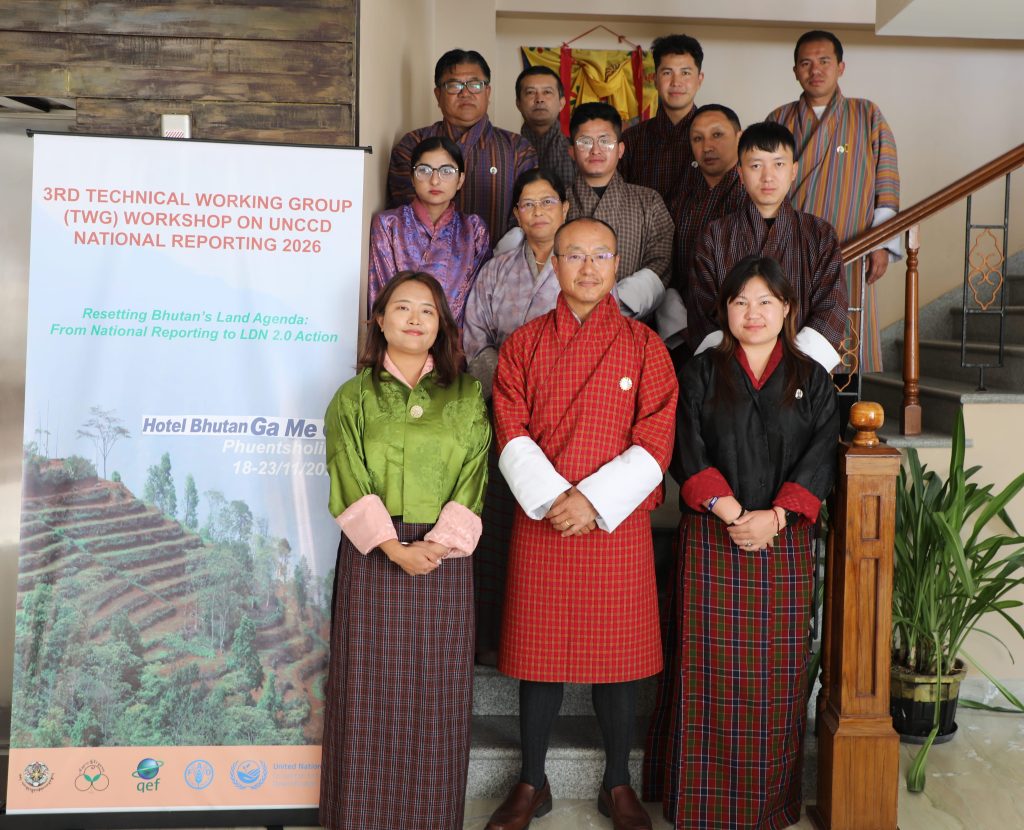
Bhutan has reaffirmed its commitment to addressing land degradation and drought through two back-to-back national workshops held from 16–23 November 2026 in Phuentsholing. The workshops brought together stakeholders and technical experts to review Bhutan’s progress towards Land Degradation Neutrality (LDN), reset its voluntary LDN targets for 2026–2030, and strengthen national capacity for monitoring and reporting under the United Nations Convention to Combat Desertification (UNCCD).
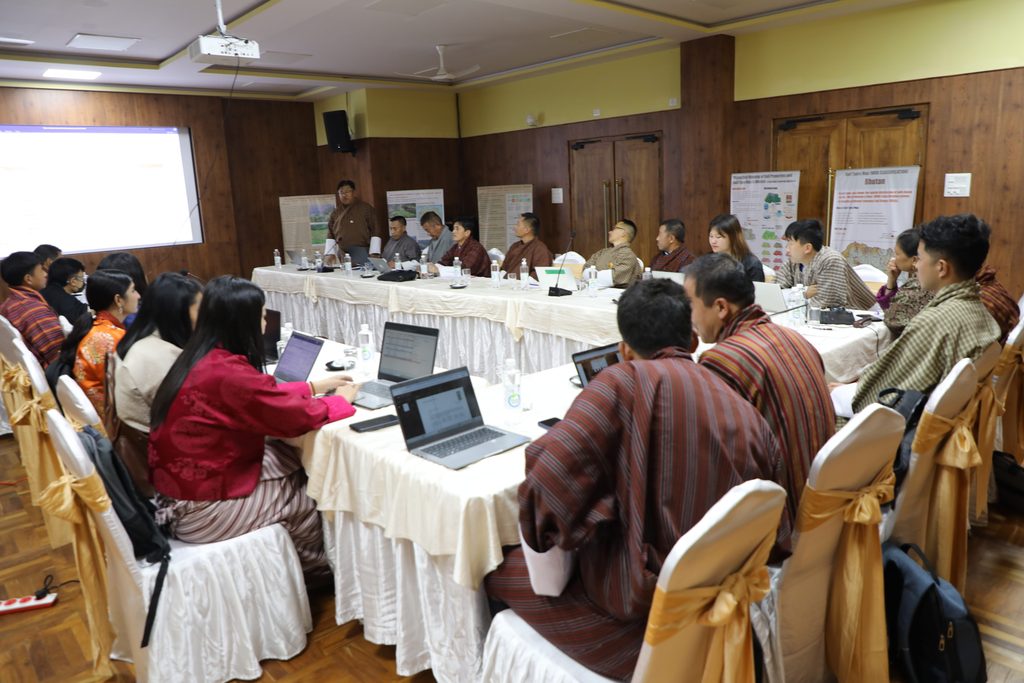
The National Soil Services Centre (NSSC) of the Department of Agriculture, Ministry of Agriculture and Livestock, organized the 2nd Stakeholders Workshop on Resetting Bhutan’s Voluntary Land Degradation Neutrality (LDN 2.0) Targets to the UNCCD from 16–17 November at Hotel Khamsum, followed by the 3rd Technical Working Group (TWG) Workshop on National Reporting 2026 from 18–23 November at Hotel Bhutan GameGa. The workshops received technical support from the Food and Agriculture Organization of the United Nations (FAO) and UNCCD consultants.
The LDN 2.0 workshop provided an important platform to review Bhutan’s progress under its earlier LDN commitments, identify gaps and challenges, and revisit the voluntary targets for 2025–2030. The discussions emphasized the need for realistic, measurable and nationally relevant targets aligned with Bhutan’s development priorities and international commitments. For Bhutan, with its fragile mountain ecosystems, steep terrain and high dependence on natural resources, preventing land degradation and restoring degraded land are essential for safeguarding agricultural productivity, food security, biodiversity and ecosystem resilience.
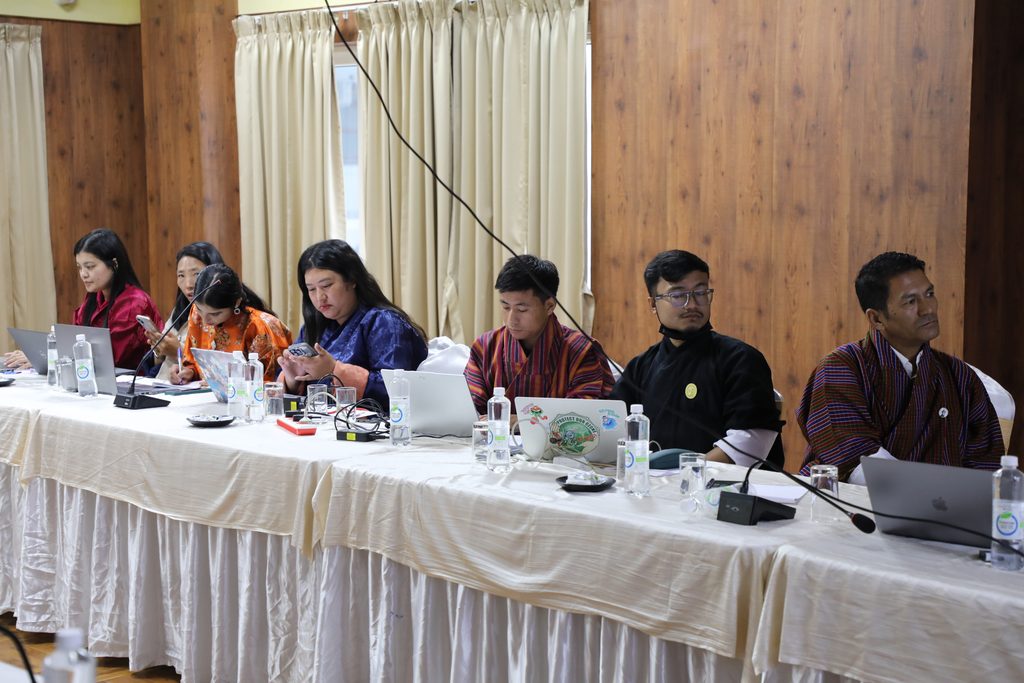
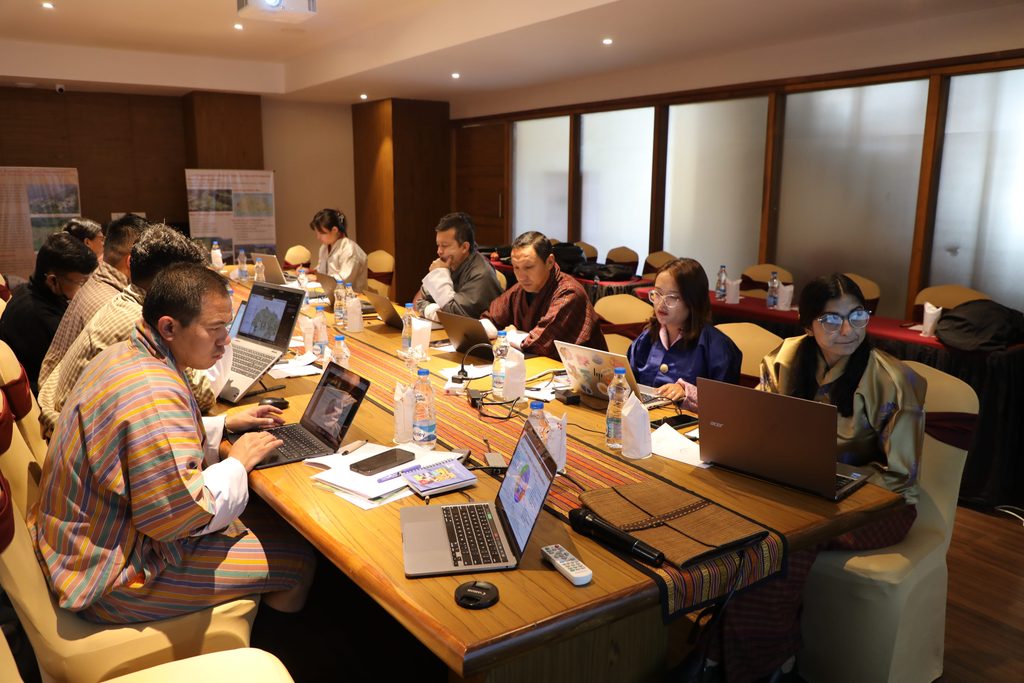
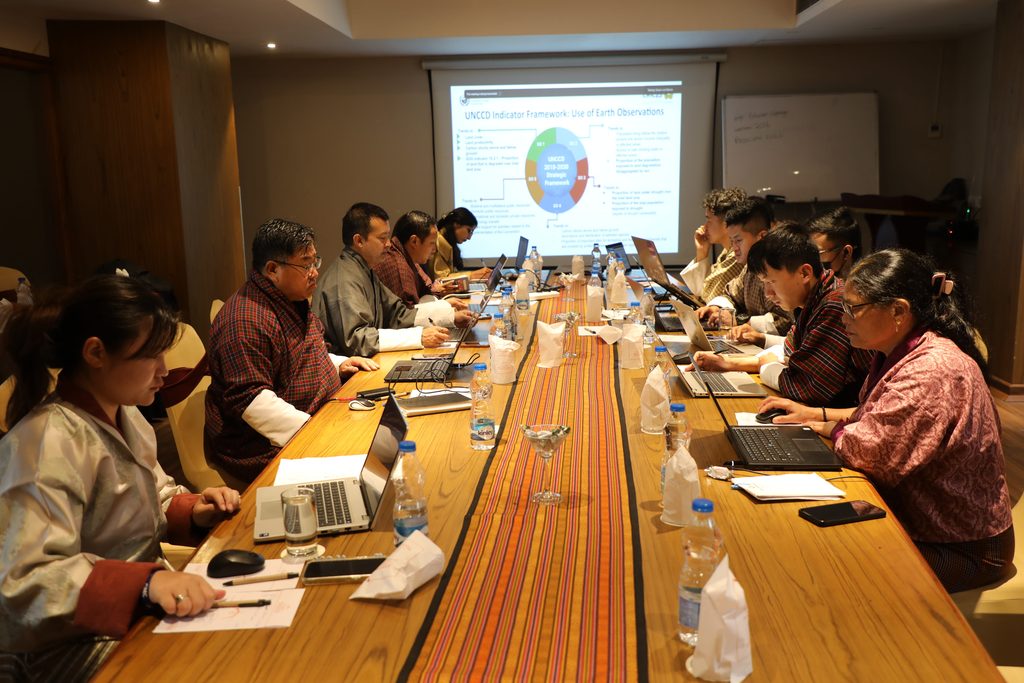
Building on these discussions, the six-day national reporting workshop focused on strengthening the scientific and technical foundations for assessing and reporting on land degradation and drought. Participants reviewed national datasets covering land cover change, land productivity, soil organic carbon and overall land degradation status. They also examined inconsistencies in national and global geospatial datasets to improve the accuracy and reliability of Bhutan’s land degradation assessments.

An important component of the workshop was the exploration of alternative drought assessment approaches using Bhutan-specific rainfall, evaporation and temperature data, alongside regional and global datasets. Participants also reviewed reporting requirements under the UNCCD’s Strategic Objectives 2, 3 and 4 and initiated the consolidation and uploading of national information onto the Performance Review and Assessment of Implementation System (PRAIS 4).
Together, the two workshops highlighted an important principle: setting LDN targets must go hand in hand with effective monitoring, credible national reporting and concrete actions on the ground. While the voluntary targets establish Bhutan’s ambitions and priorities, national reporting provides the evidence to measure progress, identify gaps and guide future interventions.
Moving forward, the immediate priority will be given to finalize and submit National Reporting 2026 including Voluntary LDN Targets within the deadlines set by the UNCCD Secretariat – Strategic Objective 1 (SO1) by 30th November 2026 and Strategic Objectives 2 to 5 (SO2-5) by end of February 2027 followed by strengthening institutional coordination for implementation and monitoring. These efforts will also contribute to integrating sustainable land management, land restoration and drought resilience into national development priorities.
Ultimately, Land Degradation Neutrality is not merely an international commitment; it is a national development priority and a shared responsibility. Protecting our productive land, restoring what has been degraded and safeguarding our natural resources today are essential to securing a sustainable future for generations to come.
61 total views, 61 views today